2026 Facility Planning Starts Now: How Fabric Shelters Support Smarter, More Flexible Operations
As businesses look ahead to 2026, facility planning is no longer just about permanent buildings
and long construction timelines. Today’s operations demand flexibility, speed, and cost
control—and that’s where fabric shelters have become a strategic asset. Planning early allows
organizations to scale efficiently while staying responsive to changing needs.
and long construction timelines. Today’s operations demand flexibility, speed, and cost
control—and that’s where fabric shelters have become a strategic asset. Planning early allows
organizations to scale efficiently while staying responsive to changing needs.
One of the biggest advantages of fabric shelters is operational flexibility. Unlike traditional
structures, fabric shelters can be installed quickly and adapted as needs evolve. Whether you’re
preparing for seasonal inventory increases, expanding equipment storage, or creating protected
workspaces, fabric shelters offer a practical solution without locking your facility into a rigid
footprint.
Fabric shelters also support smarter space utilization. Many facilities struggle with underused
indoor space while outdoor areas go untapped. Adding a fabric shelter allows you to maximize
available land, reduce indoor congestion, and improve workflow. Covered outdoor storage or
staging areas help streamline operations and reduce wear on equipment caused by constant
exposure to the elements.
From a budgeting perspective, fabric shelters are an effective tool for cost-conscious planning.
They require significantly less upfront investment than permanent buildings and can often be
deployed without lengthy permitting processes. For facilities planning capital expenditures in
2026, this makes fabric shelters an attractive option for meeting growth goals without
overextending budgets.
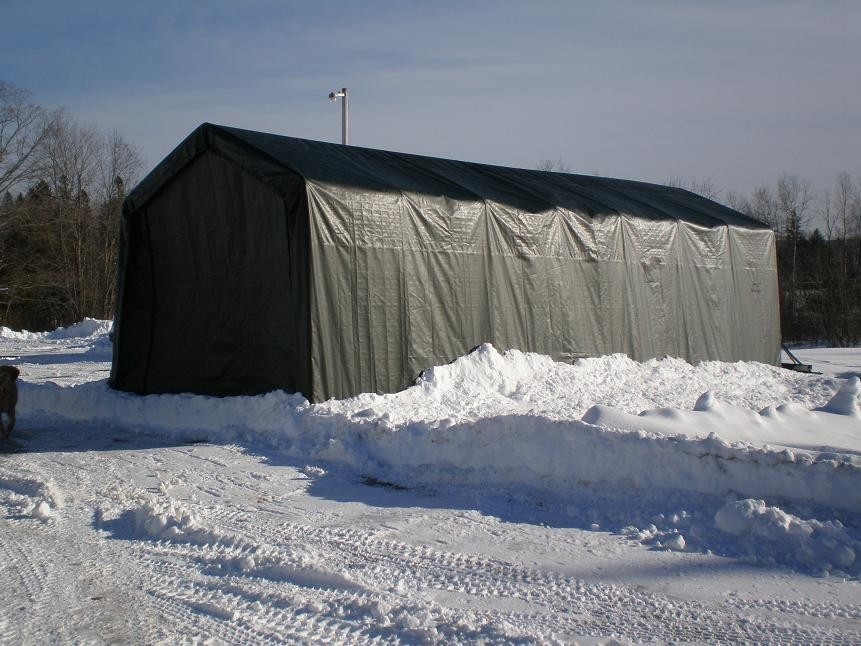
Durability and year-round performance are also key considerations. Modern fabric shelters are
engineered to withstand wind, snow loads, and harsh weather conditions, making them suitable
for long-term use across a variety of industries. This reliability allows operations to continue
smoothly through all seasons, improving productivity and protecting valuable assets.
Planning now ensures you’re not reacting later. Facilities that wait until space constraints
become urgent often face rushed decisions and higher costs. By incorporating fabric shelters
into your 2026 planning strategy, you gain the ability to expand on your terms, align
infrastructure with operational goals, and remain agile in an unpredictable business
environment.
At Shelters of America, we work with organizations to design fabric shelter solutions that
support long-term planning and day-to-day efficiency. Starting early puts you ahead—creating
space that works as hard as your operation does, today and into the future.
Posted:
January 09, 2026
|
Comments:
|


Recent Posts


